
14 Key Elements To Inspire Social Media Users To Share Your Content
Companies describe the many methods marketers employ to help prospects and customers first find, then engage with and consider their […]
Companies describe the many methods marketers employ to help prospects and customers first find, then engage with and consider their […]
Influencers have been used to reach target audiences for longer than many might imagine. While the status of “influencer” has
Elon Musk didn’t hide the fact that he wanted control of Twitter and now, $44bn later, he has it. The

Social media originally started as a platform to connect with others — now, it’s so much more than that. Social

Have you heard the joke about how Gen X’s favorite song is “Don’t You Forget About Me”? As the smallest

Forbes – In all the ongoing buzz around influencer marketing and its ever-growing appeal to brands of all kinds, there’s one topic that rarely gets mentioned: the importance of first-party authenticated data.
Admittedly, data integrity in influencer marketing isn’t quite as exciting as splashy brand/creator partnerships and stories of viral TikToks that empty retailer shelves. But without verified data, marketers can’t actually trust the metrics they’re getting from their influencer campaigns.

Thanks to the speed at which news of internal problems at a company can spread on social media and create a public relations nightmare for the business, crisis management skills are in high demand today among PR professionals. When issues occurring inside an organization make their way into the public eye, the negative reaction of consumers can have a devastating effect on the brand’s bottom line.

Influencer marketing’s popularity has been on a seemingly never-ending rise, with marketers valuing influencers’ reach like never before. With the Covid-19 pandemic continuing to impact industries and wreaking havoc on everyone’s plans, digital creators have stepped in as a powerfully effective alternative to traditional advertising.
The seemingly instant popularity of the short-video platform TikTok took some marketers by surprise, and it has only continued to grow. While teenagers were initially viewed as the platform’s primary users and audience, and they certainly do spend a lot of time on it, TikTok’s reach has expanded dramatically.

Marketing trends come and go, constantly evolving as brands strive to better leverage the latest technologies and respond to shifts in the marketplace. It’s not just about making a splash or creating attention-grabbing content anymore.
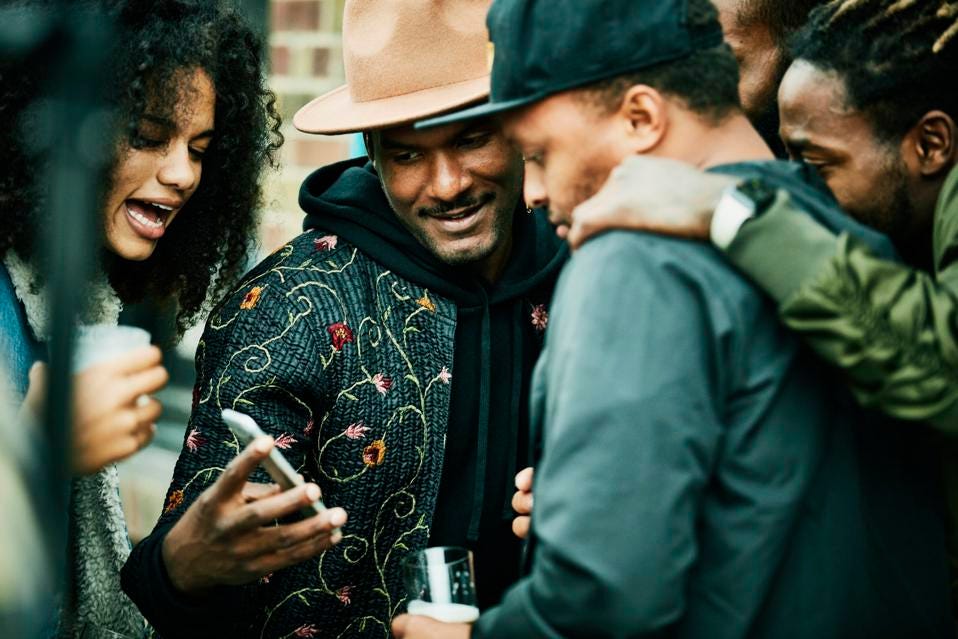
After another year like no other, it’s difficult to deny the increasing practicality of influencer marketing as a brand strategy. In fact, the value of the global influencer market is now worth a record $13.8 billion.

Looking back on 2021, we can probably all agree on one thing: at least it’s not still 2020. We didn’t quite get the smooth back-to-normal pandemic recovery we were hoping for, but as we collectively brace for the next normal, it’s a smart time to review the social media marketing lessons learned from another year like no other.